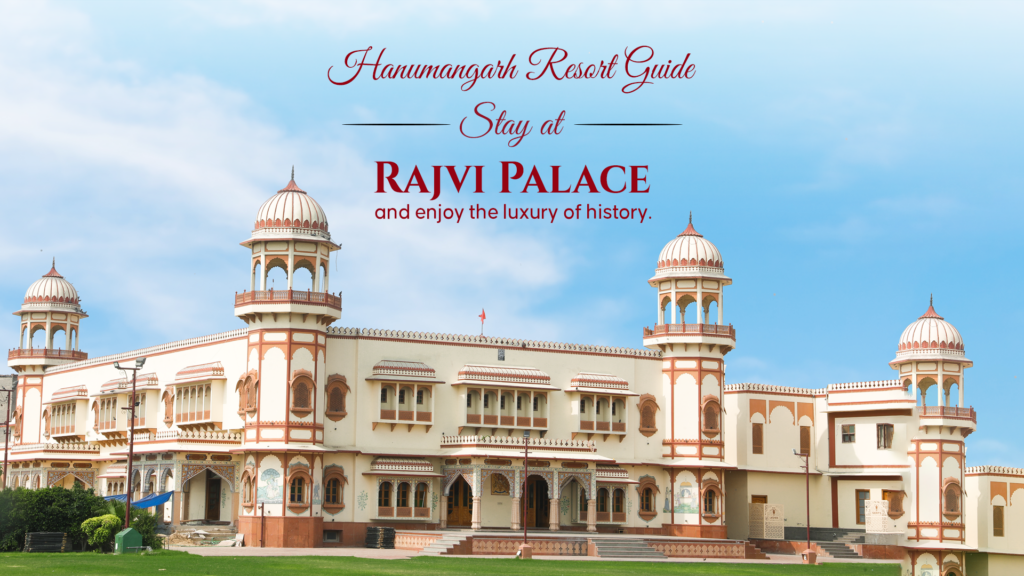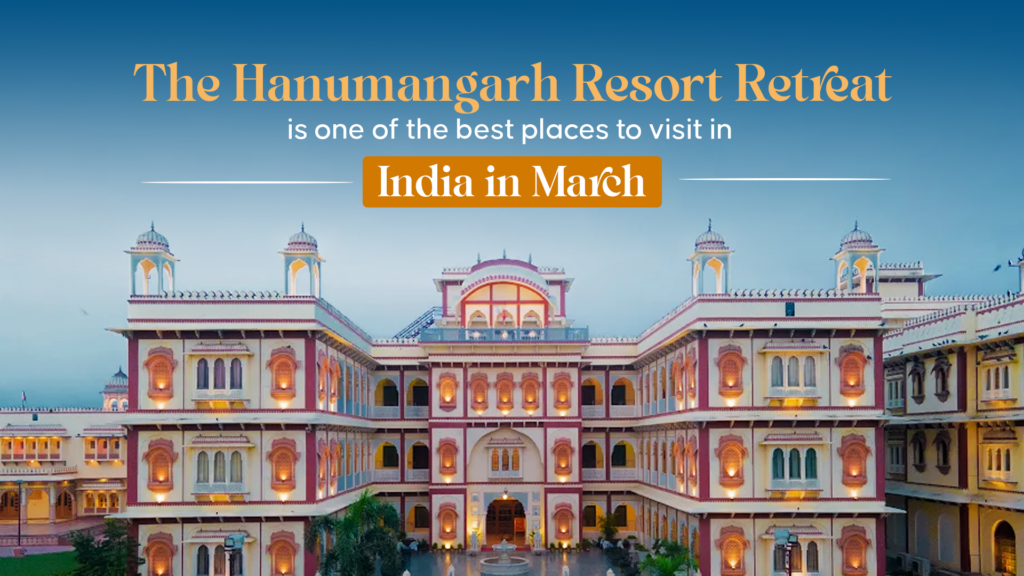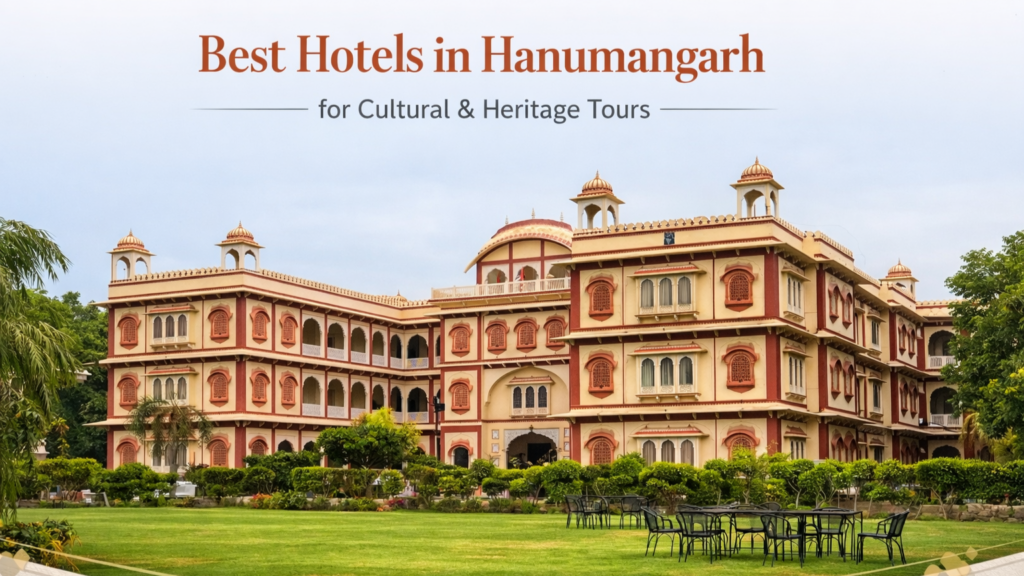
Rajvi Palace

Pankaj Techqart

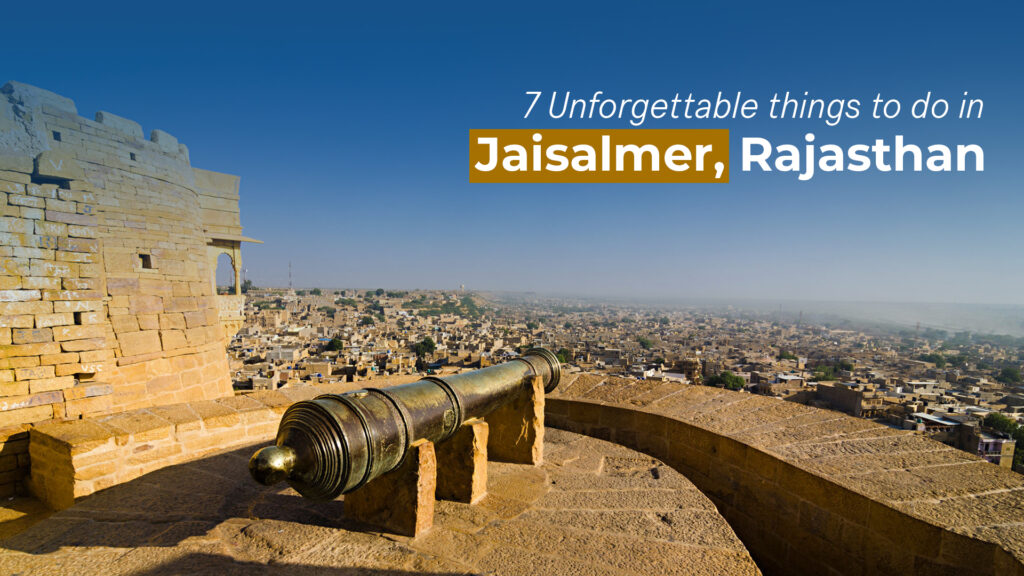
7 Unforgettable Things to Do in Jaisalmer

Jaisalmer rises from the Thar Desert. The city is made from yellow sandstone. Sunlight turns it a golden color. That is why it’s called the Golden City. Long ago, camel caravans stopped here to trade. Today, it mixes history, culture, and adventure. Your Jaisalmer travel will be special. Here are seven clear things to do in Jaisalmer. You will remember them. 1. Walk Inside a Living Fort: Jaisalmer Fort Most forts are empty monuments. Jaisalmer Fort is different. It is a living neighborhood. Thousands of people live and work inside its walls. You enter through huge, ancient gates. The main palace, Raj Mahal, shows how the royal family lived. The real magic is in the lanes. You will pass homes, temples, guesthouses, and small shops. It feels like a working village in the sky. Visit early. Go in the morning when the light is soft and the streets are quiet. This is the heart of the city. Exploring this fort is the first of many essential things to do in Jaisalmer. 2.Wander the Old City Lanes The area below the fort is just as important. This is the Old City. It is a maze of narrow streets. These streets are full of history. The most famous places in Jaisalmer here are the havelis. These are old merchants’ houses. They show off incredible stone carving. Patwon Ki Haveli is the largest and most detailed. Salim Singh Ki Haveli has a unique, arched roof. Nathmal Ki Haveli was built by two brothers. Its two sides are not identical. The bazaars are full of color. You can buy bright textiles here. They also sell leather goods and silver jewelry. Getting lost in these lanes can be fun. It shows you more of what to do in Jaisalmer. 3.Ride a Camel into the Thar Desert You cannot come to Jaisalmer and miss the desert. A camel safari is a signature experience. You travel from the city to the rolling sand dunes. The ride has a slow, steady rhythm. The best safaris go to the Sam or Khuri dunes. A short sunset ride is good. But an overnight trip is better. You watch the sun set over the sand. At a desert camp, you eat traditional food. Local musicians play songs under the stars. You sleep in a simple hut or under the open sky. The desert is very quiet at night. Choose a responsible safari company. Make sure they treat their camels well. This adventure is on every list of the best places to visit in Jaisalmer for a reason. Read More –10 Places to Visit in Rajasthan This Winter 4.Visit the Jain Temples Inside the Fort The ancient AJin temples inside Jaisalmer Fort were built from the 12th to 15th centuries. The stone work is very detailed. Every surface has carvings. You will see plants, animals, gods, and goddesses. The temples are quiet and calm. They give you a break from the busy lanes. The artists’ skill is easy to see. These are active places of worship. Dress respectfully. Shoulders and knees should be covered. 5.Relax at Gadisar Lake Gadisar Lake is a peaceful oasis. It was built long ago to store rainwater. It is one of the more relaxed Jaisalmer tourist places. Temples and shrines stand around the water. You can walk along the shore. You can also take a short boat ride. This shows you the lakeside buildings well. Many birds come here in winter. This makes it good for bird watching. People visit to relax, especially at sunset. Visit in the morning. It is less crowded then. This is the best time to see the birds. 6.Learn at the Desert Cultural Centre This museum explains the local culture. The Desert Cultural Centre has a collection of artifacts. You will see old coins. You will see traditional clothes and musical instruments. It teaches you about desert life and history. In the evening, there are live shows. You can watch folk dances. You can listen to local music. The performances are full of energy. Visit in the late afternoon. You can see the museum first. Then stay for the evening show. This way, you learn and are entertained. It helps you understand your Jaisalmer travel experience better. 7.See the Ruins of Kuldhara Village Kuldhara is 18 kilometers from the city. It is an abandoned village. A group called the Paliwal Brahmins lived here. They were wealthy. A story says they all left in one night long ago. They are said to have left a curse behind. Now, only broken walls and empty houses remain. Visiting is a unique experience. It is very quiet. The story is interesting. The ruins look striking against the desert sky. Take a guide with you. They will explain the full story. This makes the visit more meaningful. It is often a stop on desert safari trips. This makes it one of the notable places in Jaisalmer nearby. Final Thoughts Your visit is more than seeing sights. It is about the feeling of Jaisalmer. Feel the golden stone in the sun. Hear the folk music in the desert air. Walk the narrow lanes full of history. These seven things to do in Jaisalmer are a full guide. They include the fort, the desert, the culture, and the past. When planning what to do in Jaisalmer, split your time. Spend time in the busy city. Then spend time in the open desert. The best places to visit in Jaisalmer give you both wonder and knowledge. Talk to local people. Try the local food. Let the slow desert pace guide your day. Jaisalmer is a city you will remember.

7 Unforgettable Things to Do in Jaisalmer Read More »

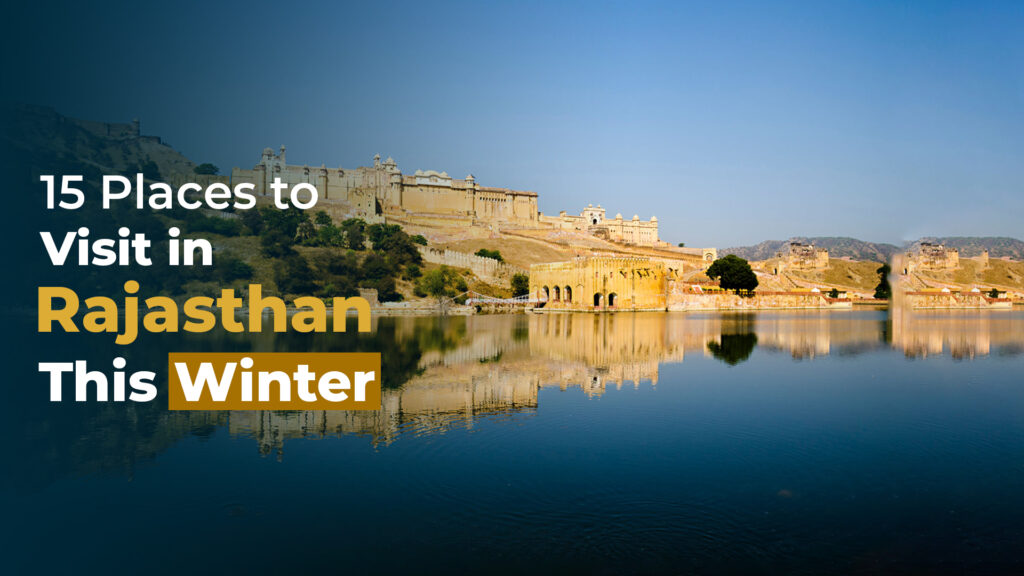
10 Places to Visit in Rajasthan This Winter

Winter is the best time to visit Rajasthan. The hot summer is gone. The days are cool and sunny. The sky is clear. This weather is perfect for exploring. You can see ancient forts. You can visit peaceful lakeside palaces. You can enjoy long walks in old cities. You can go on wild adventures. This article shares 10 places to visit in Rajasthan in winter. It also explains the best time to visit Rajasthan. It shares what you can do in each place and simple tips to plan your trip. 1.Jaisalmer: The Golden City Jaisalmer resembles a big sandcastle. The Jaisalmer Fort is built with yellow stone. The winter sun makes it glow. It is a top place to visit in Rajasthan. The fort’s small alleys are accessible by foot. Old houses known as havelis are visible. What to do in Jaisalmer Visit Jaisalmer Fort and the lanes inside See havelis such as Patwon Ki Haveli Plan a desert safari and a dune visit Watch a cultural program if your camp offers one Camp under the stars Good for People who want desert experiences Groups and families 2 to 4 days, depending on your route 2.Jaipur: The Pink City Jaipur is the capital of Rajasthan state. It is one of the most Rajasthan famous places. The old city is painted pink. You can visit the grand Amber Fort. You can see the City Palace. You can look at the old clocks at Jantar Mantar. Winter is full of festivals here. The nice weather makes walking easy. What to do in Jaipur Visit Amber Fort and walk through the main areas Explore City Palace and its museum sections See Jantar Mantar (it is a UNESCO site) Try local markets for crafts and snacks Good for Families First-time visitors Short trips of 2 to 3 days 3.Udaipur: The City of Lakes Udaipur is calm and beautiful. It has pretty lakes. The big City Palace is here. The white Taj Lake Palace seems to float on water. Winter mornings are cool. A gentle mist often rises from the lakes. A boat ride on Lake Pichola is very peaceful now. It is a famous tourist place for peace. What to do in Udaipur Visit City Palace and the museum areas Take a boat ride on Lake Pichola (as per timing rules) Visit nearby gardens and local streets for shopping Check sunset time and plan lake-side time before dark Good for Families Couples People who like calm travel plans 4.Jodhpur: The Blue City Jodhpur has a giant fort. Below it, many houses are painted blue. Walking in the blue streets is special. The fort is huge. From the top, you see all the blue houses. Winter is the best time to visit Rajasthan for this. You can explore the fort and markets easily. What to do in Jodhpur Visit Mehrangarh Fort and its museum galleries Walk through the old city areas for photos and snacks Visit a local market for handicrafts Plan a short day trip if you have extra time Good for Fort lovers People who like city walking routes 5.Ranthambore: Land of Tigers This is the best tourist place in Rajasthan for wildlife. It is a park where tigers live. Winter is dry. Leaves are fewer. This makes it easier to see tigers. You can also see leopards and birds. A jeep safari here is very exciting. An old fort inside the park adds history. What to do in Ranthambore Book a jungle safari (follow park rules and timings) Visit Ranthambore Fort if time allows Learn basic safety rules from your guide Keep your plan simple: safari, rest, and one extra activity Good for Families with older kids Wildlife fans Short visits of 1 to 2 nights 6.Mount Abu: The Holy Hills Mount Abu is a hill station. This place shows you a different side of the state. What to do in Mount Abu Visit Dilwara Temples (follow entry rules) Spend time near Nakki Lake Go to viewpoints during daytime hours Keep evenings for rest, since temperatures drop Good for Families People who want a quiet break Short stays of 1 to 2 nights 7.Bikaner: The Red City Bikaner is in the desert. It is well-known for its forts. The city is renowned for its delicious sweets as well. Winter is comfortable for seeing all this. What to do in Bikaner Visit Junagarh Fort See Lalgarh Palace area (as per access rules) Visit Karni Mata Temple if it suits your travel plan Try local food items such as bhujia from trusted shops Good for History fans People building a multi-city Rajasthan trip 8.Pushkar: Rose Garden of Rajasthan Pushkar is a small holy town. It is a very famous tourist place. It is built around a lake. Pilgrims come here to bathe in the sacred lake water. The Brahma Temple here is very rare. The town feels spiritual and quiet. What to do in Pushkar Walk around Pushkar Lake and ghats Visit Brahma Temple (note rules and timing) Go to Savitri Temple if your group can manage steps or a ropeway Try local food spots that suit your diet needs Good for Families Short, calm trips People who want a simple schedule 9.Kumbhalgarh: The Great Wall Kumbhalgarh has a spectacular fort. Its wall is very, very long. This fort wall is the second-longest wall in the world. Winter is good for climbing up to see it. The view from the top is huge. A winter festival here has music and dance. What to do in Kumbhalgarh Visit Kumbhalgarh Fort and walk the main sections Check for local cultural programs in winter season Plan transport in advance since options can be limited in some areas Keep water and snacks if traveling with kids Good for Fort lovers People exploring beyond major cities 10.Alwar: The Green City Alwar is greener. It is the gateway to Sariska Tiger Reserve. You might see a tiger here too. The Bhangarh Fort here is famous. Many people think it

10 Places to Visit in Rajasthan This Winter Read More »

The Lifelines of the Desert: A Guide to the Dams of Rajasthan

Rajasthan is known for its deserts. Water is very precious here. The state gets very little rain, and it needs a smart way to save every drop. This is where dams come in. Dams are strong walls built across rivers. They stop water and create large lakes called reservoirs. This stored water is then used throughout the year. This article will teach you all about dams in Rajasthan. We will look at the different types of dams and how they work. Understanding these water dams helps us see how Rajasthan manages its most important resource. Let’s begin our exploration of the dams of Rajasthan. Why Dams are Crucial for Rajasthan? Rajasthan is one of the driest parts of India. The state receives very little rain. Moreover, that rain is not spread evenly throughout the year. Most rainfall occurs during a short monsoon season. For the rest of the year, water scarcity is a major challenge. Water dams provide a solution to this problem. They capture and store monsoon water that would otherwise flow away. This stored water is then used in a controlled manner. The importance of these structures becomes clear when we look at their key roles. Dams in Rajasthan serve three main jobs: Watering Crops: Dams store water that is sent through canals to farms. This helps food grow in fields. Providing Drinking Water: Homes, factories, and entire cities around the state are supplied with water from dams. Refilling Underground Water: The lakes created by dams slowly leak water into the soil. This raises the underground water level, which helps wells work better. Types of Dams in Rajasthan Dams are built in different ways. Engineers pick the best design for each location. They think about the land, what materials they can use, and what the dam needs to do. There are two main categories of dams in Rajasthan. Types of Dam Based on Structure The structure refers to what the dam is made of and how it is built. The common types of dam structures in Rajasthan are: Earthen Dams Earthen dams are the most common type in Rajasthan. They are made by pressing together layers of soil, clay, and rock. This design works well in the state’s wide, flat areas. It is also a less expensive way to build large reservoirs for storing water. Masonry Dams These dams are built with stone or concrete. They are stronger than earthen dams. This makes them good for places that need extra strength. Gravity dams are one kind of masonry dam. They work by being so heavy that their own weight holds the water back. Types of Dam Based on Function The function describes the primary purpose the dam serves. Storage Dams Storage dams are the most common type. Their job is to collect and hold huge amounts of rainwater during the monsoon. This creates a large lake, or reservoir. The reservoir acts like a water savings account, providing a supply for use during the dry season. Diversion Dams These structures are usually smaller. Their main goal is to raise the water level just enough to divert it into a canal system for irrigation. Major Dams of Rajasthan: A Region-wise Breakdown Rajasthan has many dams. Each dam helps the area where it is built. These water dams are located on different rivers and serve various districts. Here is a look at some of the most significant ones. Dams of Southern and Eastern Rajasthan This region receives more rainfall than the west. Several major water dams are found here. Mahi Bajaj Sagar Dam This dam is built on the Mahi River. It is Rajasthan’s biggest dam. It produces power for the region and supplies water for irrigation. Rana Pratap Sagar Dam It is located on the Chambal River near Rawatbhata, Kota. This dam is important for power generation. Jawahar Sagar Dam Also on the Chambal River, this dam is situated upstream of Kota city. It helps in irrigation and power production. Bisalpur Dam Found on the Banas River near Tonk, this dam has a key function. It supplies drinking water to Jaipur and other cities. The System in Northern Rajasthan The landscape in the north is much drier. The water dams here work differently. Indira Gandhi Canal Project The Indira Gandhi Canal is not one dam. It is a huge system of canals. For regions like Sriganganagar and Hanumangarh, this is the primary supply of water. These canals carry the water from Punjab’s Sutlej and Beas rivers. This shows how Rajasthan uses different solutions for different areas. The south uses dams to store rainwater. The north uses canals to bring water from far away. Together, these systems provide water for the whole state. The Indira Gandhi Canal: Hanumangarh’s Green Revolution Hanumangarh uses a unique water solution. Most areas in southern Rajasthan rely on large dams built on local rivers. Hanumangarh, however, depends on a giant network of canals. The Indira Gandhi Canal is the primary system. It transports water from Punjab’s Sutlej and Beas rivers. To get to these arid regions, this water must travel a great distance. Barrages are structures used in the system. A barrage is a type of low dam that is constructed across a river. Raising the water level to a point where it can be redirected into the canal channels is its primary function. The canal’s impact on Hanumangarh includes: Turning desert land into productive farms Supporting crops like wheat, cotton, and mustard Providing reliable drinking water This shows how water management solutions vary across Rajasthan. The south stores monsoon water in reservoirs. While the north brings river water through canals. Both methods achieve the same important goal – ensuring water security for the state. Conclusion: More Than Just Concrete and Earth Water dams in Rajasthan are fundamental to life. They are not simply structures of concrete and earth. They are essential tools for survival in a dry climate. This article has provided an overview of all about dams and their role in the state.

The Lifelines of the Desert: A Guide to the Dams of Rajasthan Read More »

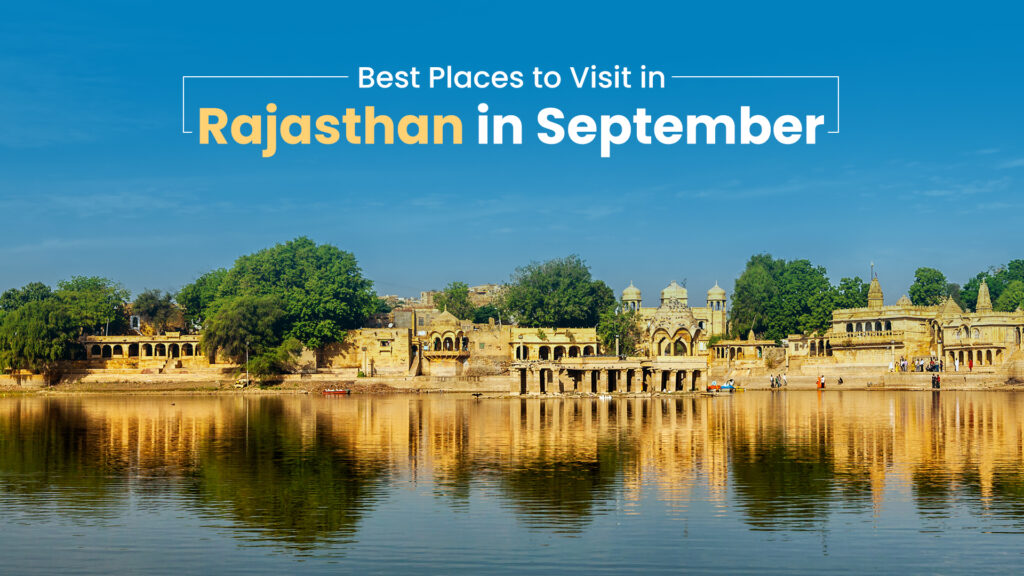
places to visit in rajasthan in september

Magical Monsoon: Best Places to Visit in Rajasthan in September

Imagine Rajasthan. You might picture a sunny desert. But in September, a change happens. The intense summer heat begins to fade. The landscape transforms. The air feels fresh and clean after a rain shower. The sky fills with dramatic clouds. Fields and hills turn a surprising shade of green. This makes September a unique time for a Rajasthan trip. It is a secret season many travelers miss. The famous Rajasthan tourist places are less crowded. The weather is comfortable for exploring. You can enjoy palaces, forts, and markets without the extreme heat. Planning your Rajasthan travel itinerary for this month is a smart choice. It is one of the best times to visit Rajasthan for a peaceful experience. This guide will show you the best places to go in September. These September trips offer a different view of the state. You will see a vibrant, green Rajasthan rarely seen in photos. Why Visit Rajasthan in September? Planning a Rajasthan trip requires good timing. September offers a unique set of advantages that can define your travel experience. Here are the key reasons to consider September trips for your Rajasthan travel itinerary. Comfortable Weather The extreme summer heat has passed. Days become noticeably milder. This makes exploring outdoor Rajasthan tourist places much more pleasant. You can walk through forts and markets without discomfort. Lush Green Landscape The monsoon rains transform the land. The desert blooms with life. You will see fields and hills covered in green. This is a view of Rajasthan many people miss. Fewer Visitors This month is a quiet period between seasons. Major sites have smaller crowds. You can enjoy famous locations with more space and peace. This allows for a more personal experience. Vibrant Local Culture September is a time for festivals. You might see Tej, a celebration with music, dancing, and colorful clothes. Experiencing these events offers a deep look into local traditions. Potential for Better Value Because of less footfall, some hotels and tour services may offer better rates. This can make your travel budget go further. For these reasons, many consider September one of the best times to visit Rajasthan. It is an ideal period for those seeking a relaxed and visually surprising journey. You can discover the best places to go in September in the next section. Top Places to Visit in Rajasthan in September With the weather on your side, you can now explore some of the most captivating sites. The following destinations are particularly rewarding during September trips. They showcase the state’s beauty in the monsoon light. We recommend you consider these locations for your September Rajasthan travel itinerary. Udaipur The lakes are what make Udaipur so special. By September, the lakes of Udiapur like Lake Pichola and Fateh Sagar Lake, get completely filled. The City Palace complex reflects perfectly on the water. A boat ride here is highly recommended. The surrounding hills are also lush and green. Mount Abu It is Rajasthan’s only hill station. The climate is fresh and lively. You can see Nakki Lake and the beautiful Dilwara Jain Temples. The green views are peaceful and give you a quiet break from the flat, hot areas below. Jodhpur The Mehrangarh Fort stands tall over the blue city. After rains, the sky often clears, providing brilliant views from the fort. The blue houses below appear more vivid against the dark stone. The fort’s museum is extensive and worth your time. Pushkar Everything in Pushkar centers around its holy lake. By September, the lake is full from the rains. This creates a very calm and peaceful feeling. The narrow lanes nearby are perfect for a slow, relaxing stroll. Don’t miss seeing the famous Brahma Temple. Ranthambore National Park The park opens again in September after being closed for the monsoon. The forest is incredibly green, and animals are very active. This makes it a perfect time for wildlife watching. Make sure to check the official website of Ranthambore National Park for the exact reopening date before you go. Off-the-Beaten-Path: Discovering Hanumangarh & Around While many people visit the famous cities, the Hanumangarh area has its own unique and important history. If you are staying at Rajvi Palace, you can easily visit these interesting and less crowded places. Bhatner Fort (Hanumangarh Fort) This is one of the oldest forts in India. You can walk through its ancient gates and see old temples. The rain in September makes the old brick walls look even more dramatic. Kalibangan Archaeological Site This place was once a major city of the ancient Indus Valley Civilization. You can see where people lived thousands of years ago. There is also a small museum with objects found at the site. Brahma Sarovar at Kolayat This is a very large and sacred pond. It is a peaceful place for quiet thought. There are steps leading down to the water and a temple nearby. Experience Monsoon Magic at Rajvi Palace Your exploration of Rajasthan’s monsoon beauty deserves the right base. Rajvi Palace provides a traditional stay that is ideal for the time of year. The palace offers a distinctive approach to seeing the changing of the seasons. A Heritage Setting: The architecture itself is part of the experience. You can witness the rain from historic courtyards and balconies. Local Discovery: Our team can provide guidance on nearby sites. We help you explore the history of Hanumangarh and the surrounding region. Cultural Connection: Guests may experience local traditions. This can include seasonal foods and the opportunity to observe local festivals. Staying here allows for a relaxed pace. You can easily include northern Rajasthan’s hidden history in your Rajasthan travel itinerary. This makes your overall Rajasthan trip more diverse. We invite you to plan your September trips with us. Discover why this period is one of the best times to visit Rajasthan. Let Rajvi Palace be your guide to the best places to go in September for a complete and authentic experience. Conclusion A Rajasthan trip in September offers a distinct experience.

Magical Monsoon: Best Places to Visit in Rajasthan in September Read More »

Hotel Room Guide Know the Difference Before You Book

Hotel Room Guide: Know the Difference Before You Book

Have you ever wondered, “What distinguishes these different types of rooms?” when you first walked into a hotel? You are not by yourself. Your stay will be much more comfortable if you are aware of the many types of hotel rooms. Why does it matter? Every hotel room is different. Some feel like mini-apartments. Others are small. Choosing the best hotel room depends on your needs and financial situation. More rooms will be needed for a family than for a single traveler. How Many Types of Rooms Are There? Hotels offer a variety of options. Here is a quick look: Standard rooms – Single, Double, Twin, Triple, Quad Upgraded rooms – Studio, Suite, Executive, Presidential Special rooms – Family, Accessible, Honeymoon, Themed Extended-stay options – Apartments, Capsules, Villas Selecting the ideal hotel room might make the big difference. Let’s discuss them so you can make the right hotel reservations the next time! Standard Room Types Standard rooms are the basic, but totally reliable options you will find in almost every hotel. Here is a quick look at the most common different types of hotel rooms in this category: Single Room Designed for one person. Has one single bed—just enough space to sleep and store your bags. Good for solo travelers who don’t need extra room. 2. Double Room Fits two people. Comes with one double bed (bigger than a single). Great for couples or someone who likes more sleeping space. 3. Twin Room Also for two people, but with two separate single beds. Perfect for friends or siblings traveling together. No fighting over blankets! 4. Triple Room Sleeps three guests. Usually has a double bed + a single bed or three singles. Handy for small families or friend groups. 5. Quad Room Made for four people. Could have two double beds, bunk beds, or a mix of beds. Often used by families or groups on a budget. Why Choose a Standard Room? They are affordable—great if you just need a place to sleep. You will find them in almost every hotel, so they’re easy to book. No fancy extras, but they get the job done. Upgraded & Luxury Room Options These rooms take comfort to the next level. Here are the fancier options you might find: Studio Room More like a mini-apartment Combines sleeping and living space in one open area Often includes a mini fridge, microwave, sometimes a stovetop Great for longer stays when you want to cook simple meals 2. Suite Room The classic upgrade choice Separate bedroom and living area (no more working or watching TV in bed) Usually comes with nicer furniture and better amenities Some have dining areas or small kitchen spaces 3. Executive Room Designed for business travelers Features like a proper work desk, good lighting, and fast WiFi Often includes access to a special lounge with free snacks/drinks Sometimes comes with meeting room privileges 4. Presidential Suite The ultimate in hotel luxury Multiple bedrooms, huge living spaces, sometimes even multiple bathrooms High-end everything – from the linens to the toiletries Often has special services (like a butler or private chef available) Why Go for an Upgrade? More space to relax and spread out Better amenities and services Get special perks like lounge access or free breakfast Specialized & Themed Rooms Some hotels really creative with their types of hotel rooms. They offer experiences you won’t forget. They are designed to make your stay unique. Family Rooms Built for parents traveling with kids Usually have extra beds May include kid-friendly features like games Often located near elevators or with stroller access 2. Accessible Rooms Designed for guests with mobility needs Wider doorways and bathroom grab bars Lower counters and roll-in showers Emergency call buttons in strategic places 3. Honeymoon Suites Romantic setups with special touches Champagne welcome or flower arrangements common Often have luxurious bathtubs or private balconies Some include couple’s massages or other romance packages 4. Themed Rooms Where hotels really have fun: Adventure themes (jungle, underwater, or space designs) Historical rooms (medieval castle vibes) Pop culture nods (music, movies, or celebrity-inspired) Local culture (designed to reflect the destination’s heritage) Why Choose These Special Rooms? They solve specific needs (like family-friendly spaces) Make ordinary trips extraordinary Create instant memories and great photos Often include special amenities you wouldn’t get otherwise Extended-Stay Options They are designed for longer visits. These options give you more space and amenities. They make extended stays comfortable. Apartment Style Rooms Feel more like a home than a hotel Full kitchens with stoves, refrigerators, and cooking utensils Separate living and sleeping areas Often include laundry machines or on-site laundry services Weekly housekeeping instead of daily 2. Capsule Hotels Popular in Japan. Now spreading worldwide Compact, pod-like sleeping spaces Shared bathrooms and common areas Super affordable for solo travelers Great for short stays when you just need a place to sleep 3. Villas & Bungalows Private standalone units (no shared walls!) Common in beach resorts or tropical locations Often include private pools or outdoor spaces More privacy than traditional hotel rooms Kitchen facilities and multiple bedrooms in larger villas 4 . Corporate Housing Designed for business travelers on long assignments Month-to-month leases available Fully furnished with work-friendly spaces Utilities and WiFi typically included Located near business districts Why Consider These Options? More cost-effective for long stays than regular hotel rooms Home-like comforts make long trips easier Often include amenities you’d miss in standard rooms Key Takeaways You are now fully aware of the many kinds of hotel rooms. There is the ideal room for all your needs. Consider this the next time you make a hotel reservation: How many people are going? What sort of area you actually require Whether you are looking for extraordinary or basic features More varieties of hotel rooms are available than most people think. You can now choose the one that will improve your trip. So go ahead. Book that perfect room and make your next trip your best one yet! FAQs What are the

Hotel Room Guide: Know the Difference Before You Book Read More »

Exploring Rajasthan: A First-Timer’s Journey – Introduction

Planning a Rajasthan trip? Picture-perfect scenes of golden deserts, towering forts, and bustling markets first come to mind when planning your Rajasthan getaway. But Rajasthan is so much more than postcard scenes. It’s where history doesn’t just sit in museums. The palaces tell stories! The markets buzz with life, and the food? It’s unforgettable. First-timers often wonder where to start. Should you chase sunsets over golden dunes in Jaisalmer? Lose yourself in the blue streets of Jodhpur? Or float on Udaipur’s serene lakes? The choices are many, but that’s part of the fun. Rajasthan travel teaches you something new at every turn. Maybe it’s how to tie a turban in fifteen seconds flat. Or why camels seem so unbothered by everything. Or that the best moments often happen when you put the map away and just wander. Planning the Rajasthan Trip You made a wise decision by choosing to travel throughout Rajasthan! But let’s take care of the fundamentals before you pack your luggage. The difference between a stressful vacation and an amazing adventure is a well-crafted Rajasthan trip plan. Rajasthan has two main seasons you should know about: Blazing hot summers (not ideal) Pleasant winters (perfect for exploring) Ideal Time: October to March Cool breezes make sightseeing comfortable All outdoor activities and markets are in full swing Avoid: April to June Temperatures regularly hit 45°C+ Sightseeing becomes exhausting Monsoon Season (July-September) Brings relief from heat but occasional rains Some desert areas may have travel disruptions Lush green landscapes What to Pack Clothing: Light, comfy clothes for hot days A warm jacket for cool desert nights Must-Haves: Sunglasses Sunscreen Good walking shoes Must-Visit Destinations in Rajasthan These cities should not be missed if you are planning a trip to Rajasthan. Every city has its own charm. You should go to all of them! Jaipur – The Pink City Welcome to Rajasthan’s vibrant capital. Here every corner tells a royal story! Amber Fort: To get to this hilltop fort, you can ride in a jeep or climb an elephant. Hawa Mahal: When the morning sun paints the windows golden, take your best pictures. City Palace: Peek into royal life – the current king still lives here! Check out the insane vintage car collection (some are literally gold-plated). Jodhpur – The Blue City Walk through streets dipped in blue. Mehrangarh Fort: This amazing fort will make your jaw drop Jaswant Thada: A peaceful marble palace that glows in sunlight Clock Tower Market: Try pyaaz kachori and melt-in-your-mouth mithai Udaipur – The City of Lakes Here romance floats on water, and palaces sparkle like jewels. Lake Pichola sunset cruise: Watch the whole city turn gold City Palace: Get lost in hidden passages and mirrored rooms Jag Mandir: Try dinner in the lake palace Jaisalmer – The Golden City The desert’s golden playground: Jaisalmer Fort: A fort where families still live Sam Sand Dunes: Ride a camel. Sleep under a blanket of stars Patwon Ki Haveli: Every inch carved with beautiful details Hidden Gems Worth the Detour Pushkar: Holy lake + quirky cafes + India’s rare Brahma Temple Bikaner: Junagarh Fort’s stunning corridors + the bizarre Rat Temple Ranakpur: A marble wonderland hidden deep in the forest Cultural Experiences A Rajasthan trip plan isn’t complete without diving into its living culture. This isn’t just about seeing places – it’s about feeling the heartbeat of Rajasthan through its traditions. Here’s how to make your holidays to Rajasthan India truly unforgettable. Folk Performances That Tell Stories Rajasthani dance and music tell centuries-old stories and are more than merely amusement. Watch the daughters of snake-charmers do mesmerizing swirls while wearing flowing black skirts in the Kalbeliya dance. The tunes? Just drums and a pungi, a woodwind instrument. Ghoomar: A circle dance in which women spin around wearing colorful skirts. Puppet Shows: Love romances and historical wars are acted out by string puppets. Must-Try Dishes Dal Baati Churma Laal Maas Ghewar Where to Eat: Street stalls for authentic flavors Palace restaurants for royal thalis Handicrafts That Take Forever to Make Every souvenir here has a story. Block Printing: Watch artisans stamp fabrics with wooden blocks – one color at a time. Blue Pottery: The blue ceramicware is made from quartz. Miniature Paintings: Tiny detailed artworks. It take weeks to complete. Living Like Royalty (For a Night) Heritage Stays: Sleep in actual palaces converted to hotels. Even budget options have courtyards with peacocks. Village Homestays: Spend a day with rural families making bajra roti over clay stoves. Conclusion Now you know why millions of people decide to visit Rajasthan, India, every year. Every fort has tales of battles. Every market has the aroma of spices, and every sunset paints the desert gold. It’s a living story. Here is what stays with you long after your Rajasthan travel ends: The way camels plod across dunes like they have got all the time in the world Shopkeepers who insist you try their chai before bargaining That first glimpse of a palace reflected in a lake at dawn Both planners and explorers are rewarded in Rajasthan, so you can either adhere to this instructions exactly or disregard it. Perhaps you will stumble onto a country wedding featuring dancing horses or yourself lost in the azure lanes of Jodhpur. What you don’t plan for is where the magic happens.  

Exploring Rajasthan: A First-Timer’s Journey – Introduction Read More »

The Perfect Itinerary for Exploring Rajasthan

The Perfect Itinerary for Exploring Rajasthan

Are you thinking of visiting Rajasthan? Get ready to dive into a living story! This journey takes you through millennia of history. It is full of vibrant colors and transformative moments. The following explains why Rajasthan is at the top of every traveler’s list: Palaces reminiscent of fairy tales, like floating lake palaces and desert forts Culture comes to life through vibrant bazaars, camel festivals, and folk dances. Shifting landscapes, such as golden sand dunes and blue city alleys This Rajasthan itinerary covers all the best places to visit in Rajasthan, including those Rajasthan must see spots you’ve been dreaming about. We’ll take you through: The Pink City’s majestic forts (Jaipur) Blue-washed streets beneath a towering fort (Jodhpur) Romantic lake views and boat rides (Udaipur) Golden desert adventures (Jaisalmer) Sacred lakes and spiritual sites (Pushkar) Days 1-2: Jaipur – The Pink City Your trip to Rajasthan begins from Jaipur. Here every corner tells a royal story. The city isn’t just pink for show. This pink color for the city was chosen to welcome a British prince in 1876. Must-Do Experiences: Amber Fort: Visit early to beat the crowd and heat. You can try the elephant ride. Don’t miss visiting the mirror palace. Hawa Mahal from across the street: The best photos come from Wind View Cafe’s rooftop Local secret: Ask any auto-rickshaw driver for “the lassi walla near Hawa Mahal” – you’ll get the creamiest yogurt drink of your life Pro Tip: Jaipur walks the line between chaotic and charming. The city bazaars feel overwhelming. Escape to the peaceful Panna Meena ka Kund stepwell. It is rarely crowded and perfect for cooling off. Days 3-4: Jodhpur – Where Blue Meets Royal Blue Jodhpur hits you with color the moment you arrive. That sea of blue houses beneath Mehrangarh Fort isn’t just pretty – the color actually keeps homes cooler! Mehrangarh Fort: It is one of India’s largest forts. The views from the top of the fort are breathtaking. The fort museum has royal palanquins and weapons. Jaswant Thada: It is a peaceful marble memorial near the fort. The place is perfect for photos. Umaid Bhawan Palace: Part museum, part luxury hotel. The vintage car collection of the palace is worth seeing. Days 5-6: Udaipur – Venice of the East Udaipur proves Rajasthan isn’t all desert. The lakes here make everything shimmer – especially at golden hour. Best Experiences: Boat ride timing: Sunset slots book fast. However, sunrise rides are cheaper and more peaceful Hidden courtyard: Behind City Palace’s main complex lies Badi Mahal. It is a garden with panoramic views Budget tip: Skip the expensive lakefront hotels. Guesthouses in Lal Ghat offer the same views for less Foodie Alert: Try “dal baati” here instead of Jaipur – Udaipur’s version comes with a garlicky twist that locals swear by. These cities make up the “Golden Triangle” of Rajasthan itenary. Slowing down allows you to experience the true magic. Such as discovering a puppet play in the backstreets of Jaipur or seeing the best blue doorway in Jodhpur for your Instagram account, despite the need to rush. Day 7-8: Jaisalmer – The Golden City The Thar Desert of Jaisalmer appears like magic. The entire city is composed of sunlight-glinting golden stone. “The Golden City” is the right name given to the city! This is a Rajasthan must see location. Jaisalmer Fort: This fort is not a typical museum-piece fort. People still inhabit this fort, just as they have for centuries. Patwon Ki Haveli: Five magnificent homes with the most intricate carvings you’ll ever see may be seen at Patwon Ki Haveli. Sam Sand Dunes: The actual desert adventure starts here, around 40km from town. Must-do experiences: Experience a camel safari at sunset. The dunes become amazing as the sun sets. Enjoy a night at a camp in the desert. Listen to folk music beside a bonfire. Day 9: Pushkar & Ajmer – Sacred Stops With these places of spirituality, it’s time to slow down a little. They are some of the most unusual Rajasthan tourist places. Hindus believe that bathing in the sacred waters of Pushkar Lake atones for sins. Brahma temple is one of the few temples in the world devoted to Lord Brahma. Ajmer Sharif Dargah is a Muslim shrine. It draws visitors from a wide range of religious backgrounds. Good to know: Pushkar is a vegetarian city. It doesn’t sell either meat or eggs. At the Wednesday street market, you may buy silver jewelry and embroidered fabrics. Day 10: Bikaner – The Desert’s Hidden Gem Bikaner is often overlooked, but this is a mistake. If you want to see something new, this is one of the best spots to go in Rajasthan. Junagarh Fort: This fort has beautifully painted walls inside. This fort was never defeated in war. Karni Mata Temple: The “Rat Temple” is another name for this temple. There are thousands of rats living in this temple. If you are short on time, you can skip Bikaner. But if you love offbeat places, it’s worth the extra day. Your Perfect Rajasthan Adventure This Rajasthan itinerary is filled with all that this amazing state has to offer. Every destination offers something fresh and fascinating. It has the golden dunes of Jaisalmer to the pink palaces of Jaipur. Before You Go: Best time to visit: October through March is the best time to go because summers may get very hot. Food to try: Make sure to sample the ghewar and dal baati churma before you depart. You will have memories and pictures from this vacation to Rajasthan. You will always cherish these memories. FAQs 1.How many days are sufficient for Rajasthan? In roughly seven to 10 days, you can visit towns like Jaipur, Udaipur, Jodhpur, and Jaisalmer. 2.How to plan a perfect Rajasthan trip? Start with the big three – Jaipur, Udaipur, and Jodhpur. Then add desert adventures in Jaisalmer or spiritual stops in Pushkar. Book trains early (they sell out fast!) or consider flights between major cities

The Perfect Itinerary for Exploring Rajasthan Read More »