Rajasthan doesn’t just invite you -it pulls you in. The colours, the forts towering over desert landscapes, the stories stitched into every stone wall. And when you pair that experience with a luxury stay, the whole trip shifts from ordinary tourism to something you’ll talk about for decades.
But here’s the catch. Not every property calling itself a “luxury hotel in Rajasthan” actually delivers what you’d expect. I’ve seen beautifully photographed palaces with crumbling bathrooms, five-star promises with three-star service, and heritage properties where “heritage” simply meant old plumbing with no upgrades since the 1970s.
So before you hand over your credit card, there are specific things worth checking. This guide breaks down exactly what to look for -drawing on real traveller experiences, hospitality industry standards, and the unique quirks of Rajasthan’s hotel landscape -so you book a place that genuinely matches the price tag.
Why Rajasthan Stands Out for Luxury Travel
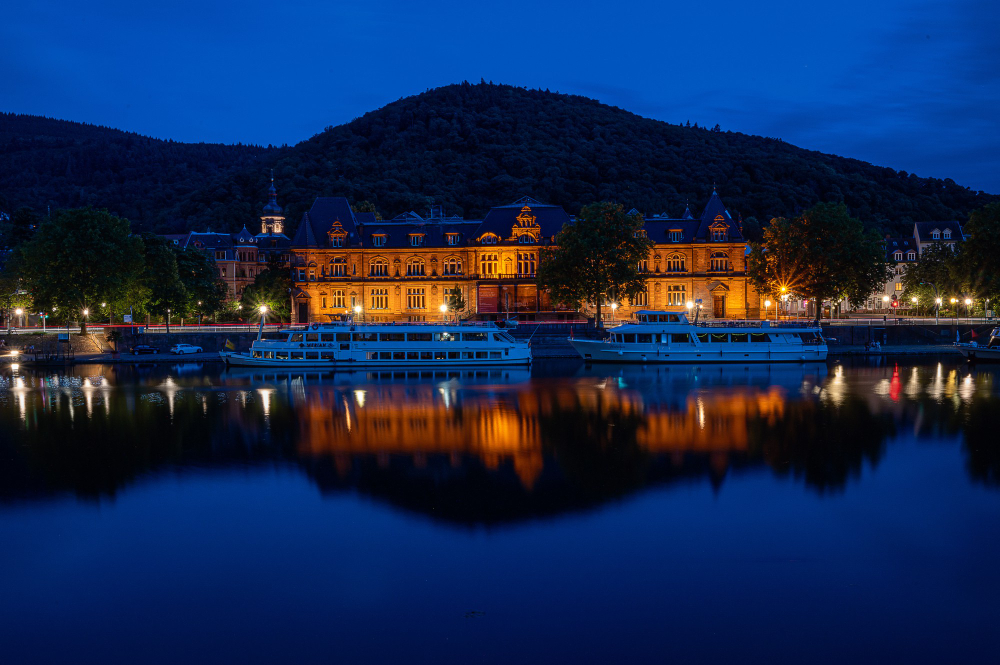
Rajasthan is one of the few destinations on earth where luxury accommodation isn’t just about thread counts and marble lobbies. It’s about sleeping inside 400-year-old palaces, dining under open skies in the Thar Desert, and waking up to peacocks wandering the grounds of a former maharaja’s estate.
The state offers a rare blend of heritage and modern comfort that few places globally can match. From converted forts in Jodhpur to lakeside palaces in Udaipur, luxury resorts in Rajasthan span a spectrum that includes boutique havelis, sprawling desert camps, and internationally branded five-star chains.
That variety, however, also means the quality varies dramatically. Two properties sitting three kilometres apart in Jaipur can offer wildly different experiences despite charging similar rates. Which is precisely why a little homework before booking goes a long way.
1. Location and Accessibility Matter More Than You Think
A stunning hotel loses its charm if reaching it eats up half your day or leaves you stranded far from the places you actually want to visit.
What to check:
- Proximity to major attractions -If you’re visiting Jaipur, a property near the old city gives you easy access to Amber Fort, Hawa Mahal, and the City Palace. In Udaipur, lakeside locations near Pichola offer the most iconic experience.
- Airport or railway transfer distance -Some luxury resorts in Rajasthan sit 60-90 minutes from the nearest airport. That’s fine if you know it upfront. It’s frustrating when you don’t.
- Surrounding environment -A heritage hotel on a busy highway feels very different from one tucked into the Aravalli hills. Check satellite views, not just the property’s own photos.
| City | Ideal Location for Luxury Stay | Nearest Airport | Key Attractions Nearby |
| Jaipur | Near Amer or Civil Lines area | Jaipur International (15-25 min) | Amber Fort, Nahargarh, Hawa Mahal |
| Udaipur | Lake Pichola surroundings | Maharana Pratap Airport (25-35 min) | City Palace, Jag Mandir, Saheliyon ki Bari |
| Jodhpur | Near Mehrangarh Fort | Jodhpur Airport (10-20 min) | Mehrangarh, Umaid Bhawan, Clock Tower |
| Jaisalmer | Inside or near the Fort area | Jaisalmer Airport (15 min) | Jaisalmer Fort, Sam Sand Dunes, Patwon ki Haveli |
| Pushkar | Lakeside properties | Ajmer Junction rail (30 min) | Brahma Temple, Pushkar Lake, Rose Garden |
| Ranthambore | Near the national park gates | Sawai Madhopur rail (20-30 min) | Ranthambore Tiger Reserve, Fort |
A quick tip from experience -if you’re planning a multi-city Rajasthan tour, pick hotels that sit along your natural route rather than backtracking for a “better” property.
2. Verify the Heritage Credentials (Not All “Heritage” Is Equal)
Rajasthan is famous for its heritage hotels, and rightfully so. Staying in a converted palace or haveli adds a layer of cultural immersion that a standard chain hotel simply cannot replicate. But the label “heritage” gets used loosely.
The Indian government classifies heritage hotels into three official categories:
| Classification | Property Age | Typical Features |
| Heritage | Built before 1950 | Original architecture preserved, basic modernisation |
| Heritage Classic | Built before 1935 | Significant historical value, period furniture, larger properties |
| Heritage Grand | Built before 1920 | Exceptional historical importance, palatial scale, museum-quality interiors |
Before booking any heritage hotel in Rajasthan, check whether the property holds an official Heritage classification from the Ministry of Tourism. A genuine heritage stay will have documentation of its history, original architectural elements, and usually a story tied to a royal family or historical event.
Properties that lack this classification aren’t necessarily bad -many privately owned havelis offer wonderful experiences -but knowing the difference helps you set realistic expectations.
3. Room Categories and What “Luxury” Actually Includes
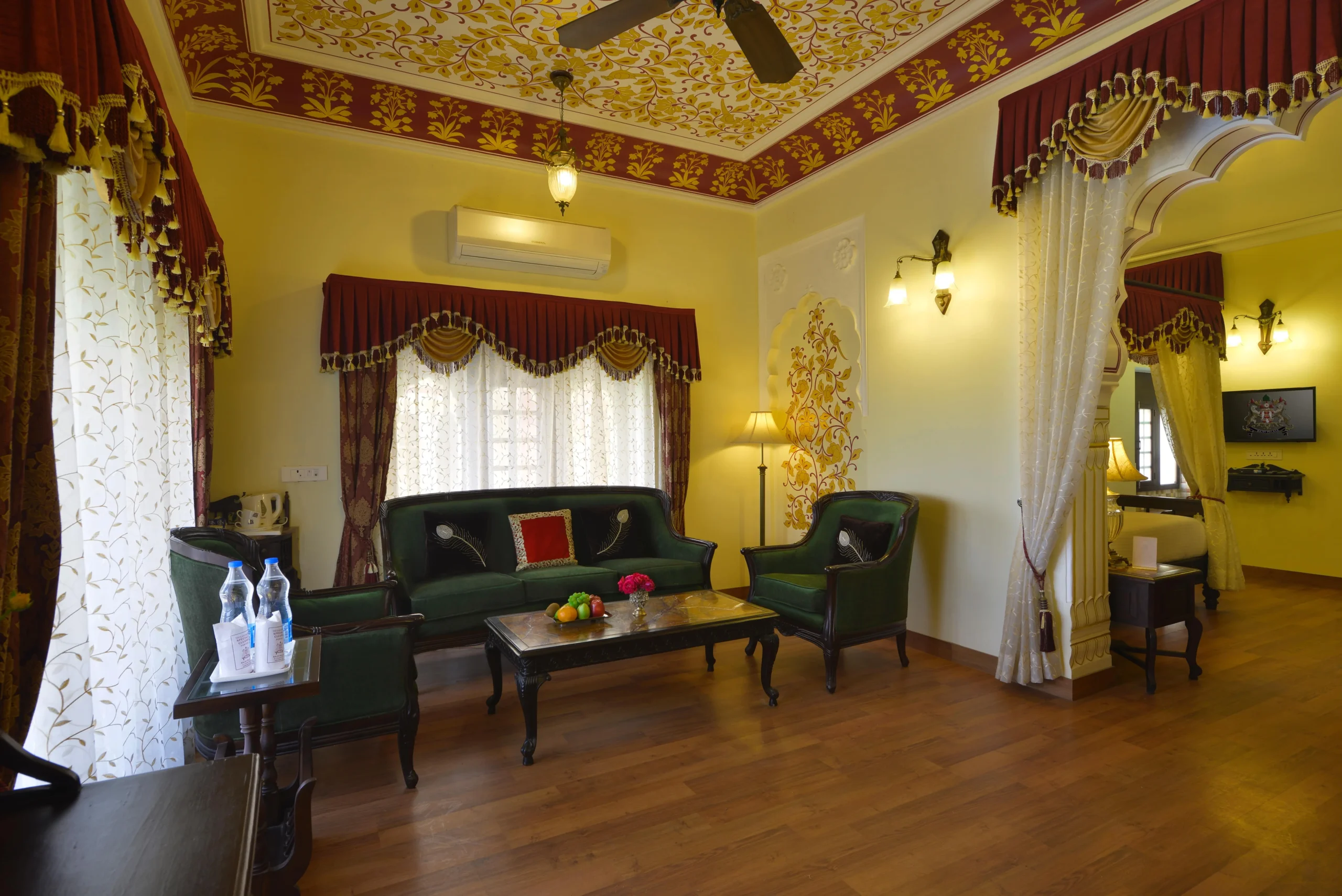
One of the most common disappointments with premium hotels in Rajasthan involves rooms categories. The base-level room at a luxury property can sometimes feel surprisingly compact, especially in heritage conversions where room sizes were dictated by century-old architecture.
Before you book, dig into these details:
- Room size in square feet -Don’t just rely on photos. Ask for exact dimensions. A 250 sq ft heritage room and a 550 sq ft suite are completely different experiences.
- View from the room -Lake view, fort view, garden view, or parking lot view? This single detail can dramatically change your stay.
- Bathroom quality -This is where many heritage properties fall short. Modern fixtures, consistent hot water, rain showers, and quality bath amenities should all be non-negotiable at luxury price points.
- Bed configuration -Some older properties still use twin beds pushed together. If a king-size bed matters to you, confirm it in advance.
- Climate control -Rajasthan temperatures swing wildly. Summers push past 45°C; winters can drop to near freezing in the desert. Working air conditioning and heating aren’t optional.
For couples especially, these details make or break the experience. The best hotels for couples in Rajasthan offer private balconies, bathtubs with views, and turn-down service with thoughtful touches -things that turn a nice stay into a memorable one.
4. Evaluate the Dining Options Thoroughly
Rajasthani cuisine is one of the highlights of any trip to the state, and your hotel’s dining setup directly impacts how much of it you get to enjoy.
What sets great hotel dining apart:
- Rajasthani speciality menus -Dal Baati Churma, Laal Maas, Ker Sangri, Gatte ki Sabzi. A luxury property in Rajasthan should celebrate local food, not just serve generic continental dishes.
- Multiple dining venues -Rooftop restaurants with fort views, poolside bars, private courtyard dining. Variety matters over a multi-night stay.
- Dietary accommodations -Rajasthan has a strong vegetarian food tradition. Good hotels handle vegetarian, vegan, Jain, and gluten-free requirements without treating them as inconveniences.
- In-room dining quality -Room service at a luxury hotel should match restaurant quality, not feel like a reheated afterthought.
A property that sources local ingredients, employs chefs trained in traditional Rajasthani cooking methods, and offers themed dinner experiences (like a Rajwada-style dinner under the stars) is typically a sign you’ve picked well.
5. Inspect the Luxury Hotel Amenities Beyond the Obvious
Swimming pools and spas have become table stakes. Every mid-range hotel claims to have them. What separates a genuine luxury accommodation in Rajasthan from a dressed-up mid-tier property is the depth and quality of amenities.
Here’s a checklist of amenities that actually indicate premium quality:
| Amenity Category | Standard Luxury | Exceptional Luxury |
| Pool | One outdoor pool | Temperature-controlled, private plunge pools, infinity edges |
| Spa | Basic massage services | Full Ayurvedic or wellness centre with trained therapists |
| Fitness | Small gym room | Equipped fitness centre, yoga sessions, personal trainers |
| Concierge | Front desk assistance | Dedicated concierge, curated local experiences, private guides |
| Transport | Taxi arrangements | Airport transfers in luxury vehicles, vintage car rides |
| Wi-Fi | Available in lobby | High-speed throughout property, including rooms and outdoor areas |
| Cultural Activities | None | Heritage walks, cooking classes, textile workshops, folk performances |
Pay particular attention to cultural and experiential offerings. A luxury resort in Rajasthan that organises private temple visits, desert safaris, hot air balloon rides over Pushkar, or guided tours of lesser-known havelis is adding value that justifies premium pricing.
6. Read Reviews Strategically -Not Just the Star Rating
A 4.5-star average on TripAdvisor tells you very little. What tells you a lot more is how the hotel responds to negative reviews and what patterns emerge across dozens of guest comments.
How to read reviews effectively:
- Filter by solo travellers, couples, and families separately. Each segment has different priorities, and the best hotels for couples in Rajasthan may not score equally well for families with children.
- Look for repeated complaints. One guest mentioning slow room service is an anomaly. Fifteen guests mentioning it is a pattern.
Check reviews from the last 6 months. Hotels change management, renovate, or let standards slip. Old reviews may not reflect the current experience. - Read mid-range reviews (3 stars) carefully. These tend to be the most balanced and honest -neither ecstatic nor vengeful.
- Verify on multiple platforms. Cross-reference Google Reviews, Booking.com, and MakeMyTrip. A property scoring 4.6 on one platform and 3.8 on another warrants a closer look.
7. Cancellation Policies and Hidden Charges
Luxury bookings often involve significant amounts of money, and the fine print matters more than most travellers realise.
Things to confirm before paying:
- Cancellation window -Many premium hotels in Rajasthan have strict 48-72 hour cancellation policies, and some heritage properties during peak season (October to March) charge full stay cost for late cancellations.
- Taxes and service charges -GST on luxury hotels in India is 18% for rooms above ₹7,500 per night. Some properties add service charges separately. Ask for the total, all-inclusive price upfront.
- Resort fees -A few properties charge additional “experience fees” or “heritage cess” on top of the room rate. These aren’t always visible during online booking.
- Extra bed and child charges -Family travellers should confirm these in advance. Some heritage properties don’t accommodate extra beds at all due to room constraints.
8. Sustainability and Responsible Tourism Practices
This one is becoming increasingly important and tells you something about the hotel’s overall quality and long-term thinking.
Rajasthan faces genuine water scarcity, and a luxury property’s approach to water conservation, waste management, solar energy adoption, and local community engagement reflects its management quality.
Properties that source locally, employ from nearby communities, use solar heating for pools, treat wastewater for garden use, and avoid single-use plastics are typically run by management teams that care about details across the board -including guest experience.
Several luxury resorts in Rajasthan have earned certifications from organisations like the Indian Green Building Council or adopted sustainable practices aligned with the Rajasthan Tourism Department’s eco-tourism initiatives. These are worth seeking out, especially if responsible travel aligns with your values.
9. Safety and Security Standards
This point gets overlooked surprisingly often. A luxury stay in Rajasthan should come with peace of mind.
- 24/7 security personnel and CCTV -Non-negotiable at any reputable property.
- In-room safes -Rajasthan trips often involve shopping for jewellery, textiles, and handicrafts. Secure storage in your room is essential.
- Fire safety compliance -Check whether the hotel displays valid fire safety certificates. Older heritage properties should have undergone fire safety audits.
- Women traveller safety -Solo women travellers should look for properties with well-lit pathways, women staff availability, and secure access to rooms.
- Medical assistance -A luxury hotel should either have a doctor on call or be located within 15-20 minutes of a multi-speciality hospital.
10. Booking Directly vs. Through OTAs -What’s Smarter?
There’s a genuine debate here, and the right answer depends on what matters most to you.
| Factor | Direct Booking | OTA Booking (MakeMyTrip, Booking.com, etc.) |
| Price | Often matches or beats OTAs with promo codes | May offer bundled discounts, especially for flight + hotel |
| Flexibility | Usually more flexible cancellation terms | Varies widely; some deals are non-refundable |
| Room Upgrades | Higher chance of complimentary upgrades | Rarely offered |
| Loyalty Points | Earns hotel loyalty points | Earns OTA-specific rewards |
| Customer Support | Direct communication with property | Mediated through OTA support |
| Special Requests | Easier to arrange | May or may not be communicated to property |
If you’re booking a special occasion stay -anniversary, honeymoon, milestone birthday -reach out to the hotel directly. Mention the occasion. Good luxury properties will go out of their way to make it special, something that doesn’t happen through third-party platforms.
Expert Tips for Getting the Best Luxury Experience in Rajasthan
- Book at least 2-3 months ahead for peak season stays. The best heritage suites in Udaipur and Jaisalmer sell out early, especially around Diwali and New Year.
- Negotiate directly for longer stays. Planning five nights or more? Call the hotel. Most luxury properties offer meaningful discounts for extended bookings that you won’t find on any website.
- Ask for a room tour before checking in. It’s perfectly acceptable at heritage hotels. If the room doesn’t match expectations, request a change before you unpack.
- Use the concierge aggressively. A good concierge at a luxury hotel in Rajasthan can arrange experiences -private fort visits, artisan workshops, camel safaris -that you simply cannot organise through Google searches.
- Travel mid-week for better rates. Weekend pricing at many Rajasthan luxury properties runs 20-40% higher than weekday rates, with the same service and experience.
Final Thoughts
Choosing the right luxury hotel in Rajasthan isn’t about finding the most expensive option or the one with the most Instagram followers. It’s about matching a property to your specific expectations -the kind of experience you want, the cities you’re visiting, the season you’re travelling in, and the details that matter personally to you.
Rajasthan’s hospitality landscape is rich, varied, and occasionally inconsistent. The properties that genuinely deliver on their luxury promise are the ones that blend Rajasthani cultural identity with modern comfort, employ staff who take personal pride in guest experience, and maintain their properties with the same care the original builders put into them.
Do the homework outlined in this guide, ask the right questions, and you’ll land a stay that does justice to one of the most visually stunning and culturally rewarding destinations anywhere in the world.
Frequently Asked Questions
1.How Can We Explore Rajasthan Tourism with Luxury?
The best approach combines luxury accommodation with curated experiences. Stay at heritage hotels or palace properties in key cities like Jaipur, Udaipur, and Jodhpur. Between cities, consider luxury train journeys like the Palace on Wheels, which covers major Rajasthan destinations in a single trip with five-star service onboard. Pair your hotel stays with private guided heritage walks, royal dining experiences, desert glamping in the Thar, and spa retreats in the Aravalli hills. Many premium hotels in Rajasthan now offer bespoke itineraries that connect cultural immersion with physical comfort -the ideal combination for exploring the state without compromising on quality.
2.What Are Popular Hotel Types in Rajasthan?
Rajasthan offers a wider variety of hotel types than most Indian states. The most popular categories include heritage hotels (converted palaces, forts, and havelis), luxury resorts (modern properties with resort-style amenities, often set in scenic landscapes), boutique hotels (smaller, design-forward properties with personalised service), desert camps (luxury tented accommodations in the Thar Desert near Jaisalmer and Pushkar), wellness retreats (focused on Ayurveda, yoga, and holistic healing), and internationally branded five-star hotels (Taj, Oberoi, ITC, Marriott, and Leela properties). Each type caters to different travel preferences, so the right pick depends entirely on what kind of experience you’re after.
3.What to Look for in a Luxury Hotel?
Focus on seven core factors: location and accessibility, room quality and size, dining options (especially local cuisine), the depth and quality of amenities beyond basics, guest reviews from the last six months, cancellation policies and total pricing transparency, and the hotel’s approach to safety and sustainability. In Rajasthan specifically, also evaluate the property’s heritage authenticity, whether it offers cultural experiences like cooking classes or guided tours, and how well it integrates local art, architecture, and craftsmanship into the guest experience. Price alone is never a reliable indicator of quality -the details outlined throughout this guide are what separate a genuinely luxurious stay from an overpriced disappointment.
4.Which Tourist Place Is Best in Rajasthan?
It depends on what draws you. Udaipur consistently ranks as Rajasthan’s most romantic destination -the lakeside setting, the palace architecture, and the overall ambiance make it a favourite for couples and honeymooners. Jaipur offers the most well-rounded experience with forts, palaces, markets, and excellent food. Jodhpur appeals to history lovers and photographers with its blue-painted old city and the imposing Mehrangarh Fort. Jaisalmer is unmatched for desert landscape and the golden sandstone fort. Ranthambore is the go-to for wildlife enthusiasts hoping to spot Bengal tigers. And Pushkar offers a more spiritual, offbeat experience centred around its sacred lake and Brahma temple. For a luxury-focused trip, Udaipur and Jaipur offer the widest selection of premium properties.
5.What Is the Best Month to Visit Rajasthan?
October through February is widely considered the ideal window. Within that range, November and February offer the best balance -pleasant daytime temperatures (20-28°C in most cities), cool evenings perfect for rooftop dining, and manageable crowd sizes compared to the December–January peak. October can still carry residual monsoon humidity in some eastern districts. December and January bring the coldest nights (dropping to 5-8°C in desert areas) but also the highest tourist traffic and peak pricing. If budget matters more than perfect weather, late September and March offer shoulder-season rates with still-comfortable conditions. Avoid April through June unless you genuinely enjoy 45°C heat -even luxury air conditioning has its limits when the outside feels like an open oven.